WE ARE PARTNER WITH





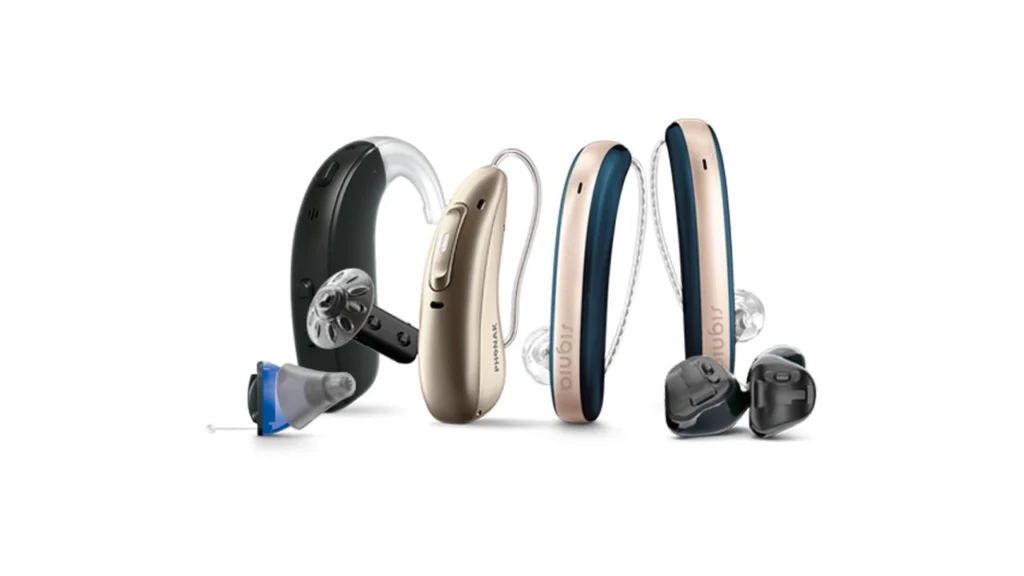
Hearing aids can make everyday communication easier for people experiencing hearing loss. With modern technology, hearing aids are available in different styles, sizes, features, and price ranges. However, choosing the right device is not simply about selecting the smallest or most advanced model.
The best hearing aid depends on your hearing needs, lifestyle, comfort, communication requirements, and professional hearing assessment.
Here is a simple guide to help you understand the important factors to consider.
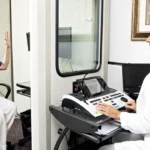
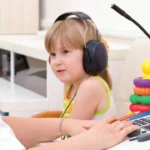
Before choosing a hearing aid, the first step should be a comprehensive hearing assessment.
An audiologist can evaluate your hearing ability, identify the degree and type of hearing loss, and understand which frequencies are affected. Your hearing test results help determine the level of amplification and hearing technology that may be suitable for you.
Hearing aids are designed to provide different levels of amplification. The appropriate device can depend on whether your hearing loss is mild, moderate, severe, or profound.
A hearing aid that works well for one person may not provide enough support for another. This is why professional fitting and hearing evaluation are important.
Your daily activities can influence which hearing aid is most suitable.
For example, consider where you spend most of your time:
If you frequently communicate in noisy environments, you may benefit from hearing technology with features designed to help manage background noise and improve speech clarity.
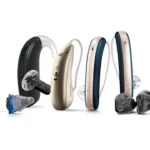
Hearing aids come in different designs and sizes. Some are worn behind the ear, while others are designed to fit inside or near the ear canal.
Your audiologist can explain the available styles and help you choose an option that provides a suitable combination of comfort, performance, appearance, and ease of use.
Modern hearing aids can offer a variety of features depending on the model.
Some devices may include:
Not everyone needs every feature. The goal is to select technology that is genuinely useful for your lifestyle and hearing requirements.
Some hearing aids use replaceable batteries, while many modern models offer rechargeable options.
Rechargeable hearing aids can be convenient because they can simply be placed on a charging station when not in use. Traditional battery-powered devices may provide flexibility for users who prefer replaceable batteries.
Your audiologist can help you understand the advantages of each option.
Choosing a hearing aid is only part of the process. Proper fitting and adjustment are equally important.
An audiologist can program the device based on your hearing test results and make adjustments based on how you experience different sounds.
You may also need follow-up appointments to fine-tune the settings as you become accustomed to wearing the device.
Hearing aids are available at different price points. Instead of choosing a device based only on cost, consider the overall value it provides.
Think about the features you actually need, the level of hearing support required, warranty or service options, maintenance, and aftercare.
A professional hearing-care provider can help you compare suitable options within your budget.
Hearing care doesn’t end when you receive your hearing aid.
Regular cleaning, maintenance, hearing-aid adjustments, and professional follow-up can help keep the device working effectively.
Choose a hearing-care provider who can provide ongoing support and guidance whenever you need it.
There is no single hearing aid that is perfect for everyone. The right choice depends on your individual hearing test results, lifestyle, comfort, communication needs, preferences, and budget.
Rather than choosing a hearing aid based only on brand, appearance, or price, speak with a qualified audiologist who can help you make an informed decision.
If you are experiencing difficulty hearing conversations, frequently asking people to repeat themselves, or struggling to hear in noisy environments, a professional hearing assessment can help you understand your hearing needs.
The right hearing aid, professionally fitted and supported, can help you communicate more comfortably and stay connected with the people who matter most.
Book a professional hearing evaluation today and take the first step towards better hearing.